Veteran & First Responder Discount
What You Need to Know About Mini Splits in 2026
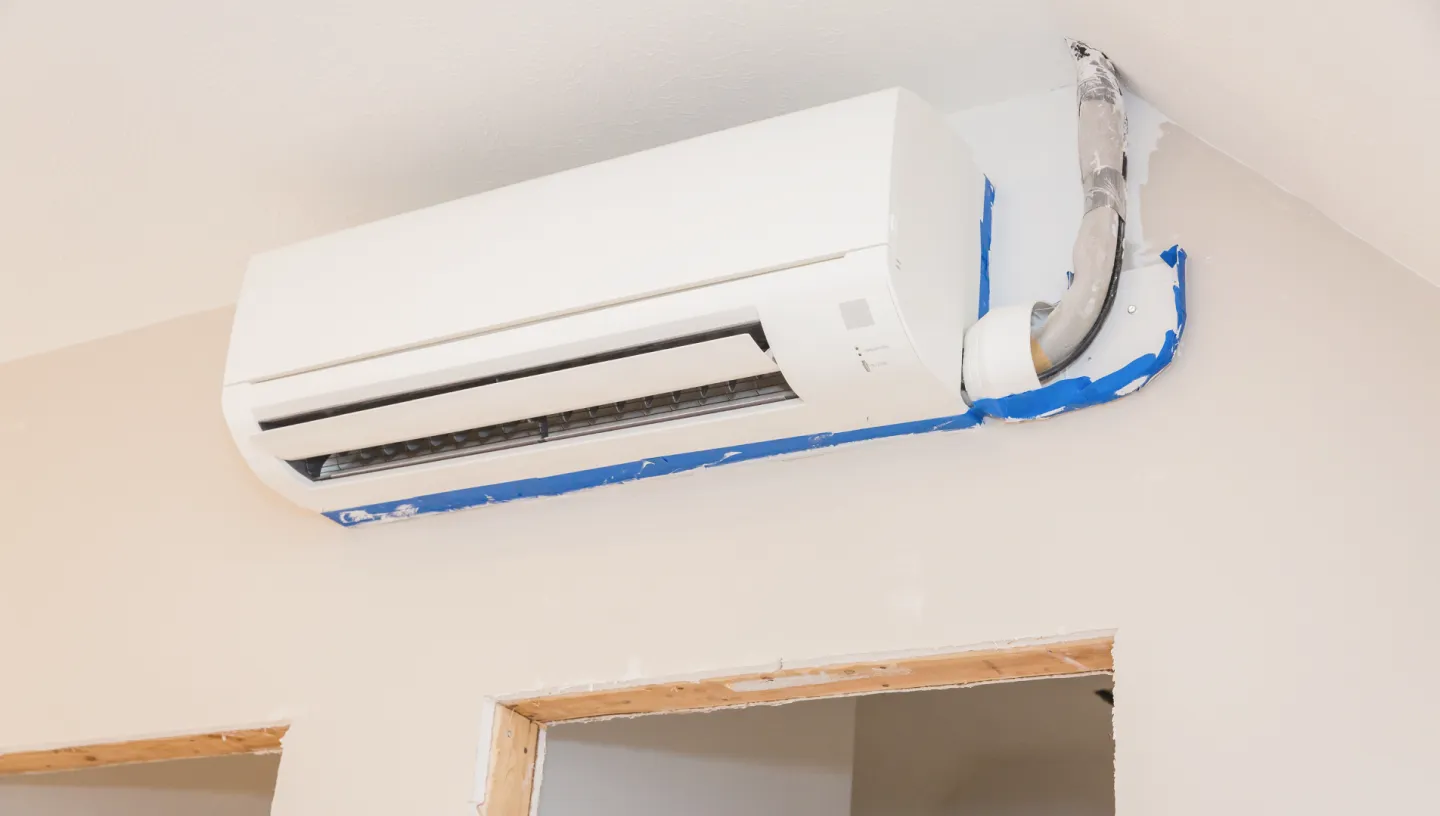
Ductless mini split systems have moved from “alternative HVAC” to one of the most practical heating and cooling solutions in the U.S. In 2026, more homeowners, builders, and property owners are choosing mini splits for efficiency, flexibility, and long-term savings.
Whether you’re building new, upgrading an older structure, or improving comfort in a non-traditional space, here’s what you need to know about mini splits in 2026.
What Is a Mini Split System?
A mini split is a ductless heating and cooling system made up of:
- An outdoor condenser
- One or more indoor air handlers
Unlike traditional HVAC systems, mini splits deliver air directly to the space without ductwork. This reduces energy loss and allows precise temperature control.
Why Mini Splits Continue to Grow in 2026
Mini splits aren’t a trend—they’re becoming the standard for many applications.
1. Energy Efficiency Is No Longer Optional
With rising energy costs, efficiency matters more than ever. Modern mini splits:
- Use inverter-driven compressors
- Adjust output in real time
- Consume significantly less energy than older HVAC systems
This translates to lower monthly bills and reduced wear on equipment.
2. Ideal for Buildings Without Ductwork
Many properties were never designed for central HVAC. Mini splits work exceptionally well in:
- Older homes
- Additions and remodels
- Garages and workshops
- Tiny homes
- Barndominiums
- Metal and steel buildings
- Rural properties
No ductwork means lower installation cost and less disruption.
3. Better Comfort Through Zoning
Mini splits allow each room or zone to be controlled independently. This means:
- No hot or cold spots
- Personalized comfort
- Less wasted energy
- Improved indoor air quality
In 2026, zoning isn’t a luxury—it’s an expectation.
Mini Splits and Insulation: Why They Work Best Together
Mini splits perform best in well-insulated buildings, especially those using spray foam. Spray foam:
- Seals air leaks
- Reduces heat transfer
- Lowers HVAC load
When paired with a properly sized mini split system, the result is consistent comfort and peak efficiency.
Are Mini Splits Reliable in Extreme Weather?
Yes—when properly selected and installed. Modern cold-climate mini splits:
- Heat effectively in freezing temperatures
- Cool efficiently in high heat
- Maintain performance during humidity swings
The key is correct sizing and professional installation, especially in regions with temperature extremes.
Common Mini Split Myths in 2026
- Myth: Mini splits are only for small spaces. Reality: Multi-zone systems can handle entire homes and large structures.
- Myth: They can’t handle cold weather. Reality: Newer systems are designed for cold-climate performance.
- Myth: Mini splits look bulky. Reality: Modern designs are sleek and discreet, with multiple mounting options.
What to Expect When Installing a Mini Split in 2026
Before installation, expect:
- A proper load calculation
- Evaluation of insulation
- Thoughtful unit placement
- Electrical planning
A quality install focuses on long-term performance, not just quick setup.
Are Mini Splits Worth It in 2026?
For many homeowners and property owners, yes. Mini splits make sense if you want:
- Lower energy costs
- Flexible zoning
- Quiet operation
- Efficient comfort
- HVAC without ductwork
They’re especially valuable in non-traditional and rural properties.
Choosing the Right Mini Split Provider
Not all installations are equal. Look for a provider who:
- Understands your climate
- Sizes systems correctly
- Has experience with your type of structure
- Specializes in ductless HVAC
A knowledgeable installer makes all the difference.
Final Thoughts on Mini Splits in 2026
Mini splits are no longer niche—they’re a smart, future-focused HVAC solution. As energy efficiency standards rise and building designs evolve, ductless systems continue to lead the way. If you’re planning a project in 2026 or beyond, understanding mini splits now helps you make smarter, longer-lasting decisions.